The Role of Fibre in Everyday Eating
Published: February 2026
What is Dietary Fibre?
Dietary fibre is a type of carbohydrate that the human body cannot fully digest or absorb. Unlike other carbohydrates that are broken down into glucose for energy, fibre passes through the digestive system largely unchanged. Despite not being absorbed as energy, fibre plays important roles in maintaining digestive health and overall wellbeing.
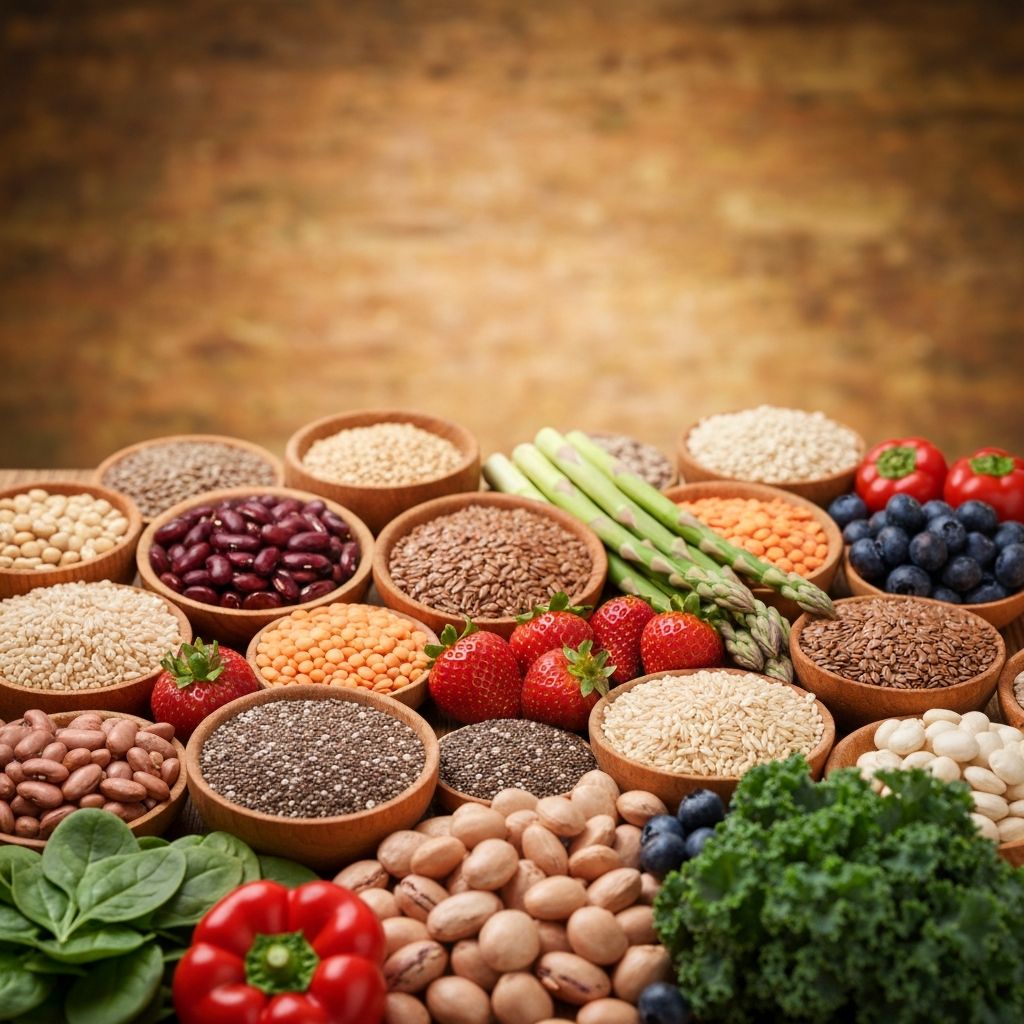
Fibre is found exclusively in plant-based foods: vegetables, fruits, whole grains, legumes, nuts, and seeds. Animal products like meat, fish, and dairy do not contain fibre. This is why plant-rich diets are typically higher in fibre content.
Types of Dietary Fibre
Dietary fibre is generally classified into two types: soluble and insoluble fibre. Each type has distinct characteristics and benefits.
Soluble fibre dissolves in water to form a gel-like substance. It ferments in the colon and may feed beneficial gut bacteria. Soluble fibre sources include oats, beans, apples, citrus fruits, and barley. It may support cholesterol levels and blood glucose stability.
Insoluble fibre does not dissolve in water. It passes through the digestive system relatively intact and adds bulk to stool. Insoluble fibre sources include wheat bran, vegetables, whole grains, and nuts. It supports regular bowel function and digestive regularity.
Most plant foods contain both types of fibre in varying proportions. A varied diet including different fibre sources provides the benefits of both types.
Fibre and Digestive Health
Adequate fibre intake supports healthy digestion. Insoluble fibre promotes regular bowel movements by increasing stool bulk and stimulating digestive muscles. This regularity supports overall digestive comfort and function.
Soluble fibre feeds beneficial bacteria in the colon, which produce short-chain fatty acids that nourish colon cells and support overall gut health. This fermentation process is part of normal, healthy digestion, though it may produce gas in some individuals, particularly when fibre intake increases rapidly.
Gradual increases in fibre consumption allow the digestive system to adapt. Sudden large increases may cause bloating or discomfort. Increasing water intake alongside fibre consumption supports comfortable adjustment.
Fibre and Satiety
Fibre-rich foods are often more satisfying than low-fibre alternatives. The bulk of fibre in the digestive tract may contribute to feelings of fullness. Additionally, fibre slows digestion, providing more sustained energy and longer-lasting satiety compared to refined foods.
A meal combining protein, whole grains, and vegetables provides multiple satiety-promoting elements. The fibre from vegetables and whole grains, combined with protein, creates a more satisfying eating experience.
Common Fibre Sources
Vegetables are excellent fibre sources: leafy greens, broccoli, carrots, bell peppers, and legumes all provide substantial fibre. Eating vegetables with skin when possible increases fibre intake.
Fruits provide fibre, particularly when eaten whole rather than as juice. Apples, pears, berries, and oranges are particularly high in fibre. The skin of most fruits contains significant fibre.
Whole grains like brown rice, whole wheat bread, oats, and barley provide sustained energy alongside fibre. Refined grain products have much of the fibre removed during processing.
Legumes including beans, lentils, and chickpeas are among the highest fibre foods available. They also provide protein, making them nutritionally dense options.
Nuts and seeds like almonds, chia seeds, and flaxseeds provide fibre alongside healthy fats and protein.
Fibre Intake Recommendations
General guidelines suggest 25 to 30 grams of fibre daily for adults, though individual needs vary based on age and health status. Many people in Western diets consume substantially less than recommended amounts.
Rather than focusing on a specific number, the practical approach is to gradually increase the proportion of whole foods, especially plant-based options, in daily meals. This naturally increases fibre intake while providing additional nutrients.
Key Takeaways
Dietary fibre is an essential component of healthy nutrition, supporting digestive function, satiety, and overall wellbeing. Different fibre types provide varied benefits, and consuming diverse plant foods ensures adequate intake of both. Gradual, consistent increases in fibre-rich foods support comfortable adaptation and long-term health benefits.
Continue Exploring
This article provides general educational information about dietary fibre. Read more articles in our nutrition insights blog.
Back to Blog